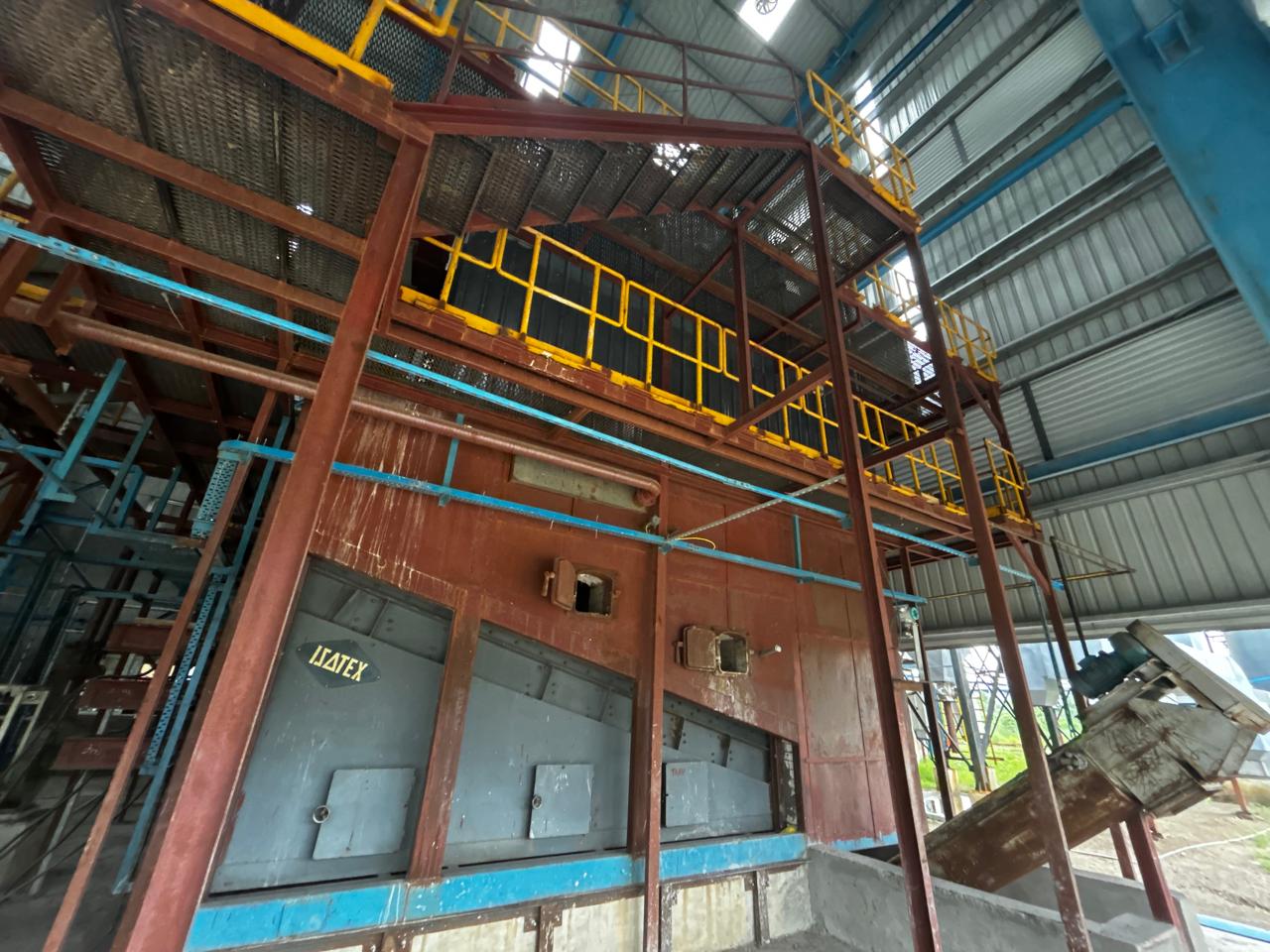
Fuel cost volatility has pushed biomass fired steam boilers from a niche, sustainability-driven choice to a mainstream decision for Indian manufacturers across nearly every process industry. What was once considered a green alternative is increasingly the more economical option too.
This guide explains what a biomass fired steam boiler is, how it works, the fuel types available, and why more plants are switching, along with the mistakes to avoid when making the transition.
If your plant currently runs on coal, oil, or gas and you are evaluating whether biomass makes sense, the sections below cover exactly what to check before switching. These are also the questions to ask any biomass fired steam boiler manufacturers in India you are evaluating for the transition.
What is a Biomass Fired Steam Boiler?
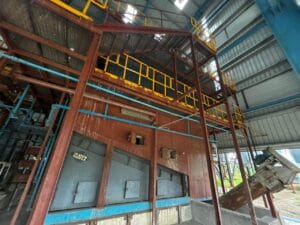
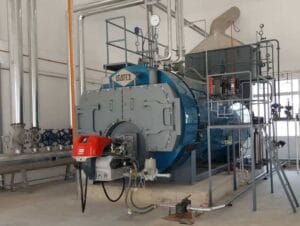
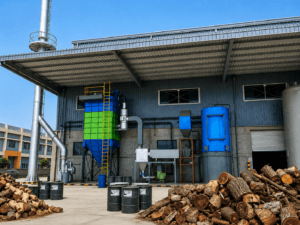
A biomass fired steam boiler generates steam by burning organic agricultural or forestry residues, such as rice husk, wood chips, bagasse, groundnut shells, or biomass briquettes, instead of fossil fuels like coal or furnace oil. It delivers the same process steam output as conventional boilers, at a significantly lower and more stable fuel cost.
How Biomass Boilers Work
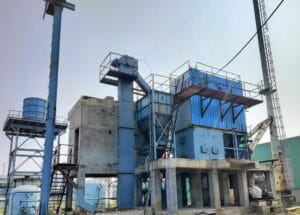
Biomass fuel is fed into the furnace manually, semi-automatically, or through automated feeding systems for continuous operation, and combusted to generate heat. This heat converts feed water into steam through the boiler’s tube network, following the same fundamental principle as coal or oil-fired boilers but engineered specifically for biomass fuel’s combustion characteristics, such as moisture content, ash content, and calorific value variation.
Types of Biomass Fuel Used
- Rice husk
- Wood chips and wood waste
- Groundnut shells and other agro-residues
- Biomass briquettes and pellets (densified fuel for consistent calorific value)
- Bagasse (in sugar and allied industries)
The Problem: Fossil Fuel Costs Are Volatile and Increasingly Unpredictable
Coal, furnace oil, and gas prices in India have shown significant year-on-year volatility, making annual fuel budgeting difficult for plants that depend entirely on these sources. This unpredictability, combined with tightening emissions and sustainability expectations from export customers, is pushing plants to look at alternatives.
The Solution: Locally Sourced Biomass Fuel
Switching to a biomass fired steam boiler engineered for locally available agro-residue gives plants a fuel source that is typically both cheaper and more price-stable than fossil fuels, while directly supporting sustainability and ESG reporting requirements.
Why This Matters: Real Numbers From the Field
As an illustrative example, on a plant currently running a coal fired boiler at a meaningful annual fuel spend, switching to a well-matched biomass fuel source can typically reduce fuel cost per tonne of steam by a noticeable double-digit percentage, depending on local biomass pricing, though the exact figure varies significantly by region and fuel type available near your plant.
Benefits of Biomass Fired Steam Boilers
- Lower and more stable fuel cost compared to coal, oil, or gas, especially where biomass is sourced locally.
- Carbon-neutral combustion since biomass fuel absorbs CO2 during growth, offsetting combustion emissions.
- Supports ESG goals and green manufacturing certifications increasingly required by export customers and large buyers.
- Reduces dependency on imported or price-volatile fossil fuels insulating your plant from international price swings.
- Often eligible for government incentives promoting renewable fuel adoption in manufacturing.
Common Mistakes When Switching to a Biomass Boiler
Plants making the switch from fossil fuel to biomass most often run into these issues:
- Not verifying local fuel supply consistency. Biomass availability can vary seasonally; a supply plan should be confirmed before committing to the switch.
- Assuming any biomass boiler design works with any biomass fuel. Combustion design must match your specific fuel’s moisture and ash characteristics.
- Underestimating fuel storage and handling space. Biomass typically needs more storage volume than an equivalent energy value of coal or oil.
- Ignoring ash handling and disposal planning. Biomass combustion produces more ash by volume than gas or oil, and needs a defined handling process.
- Overlooking automated feeding for continuous operations. Manual feeding can struggle to keep pace with continuous, high-demand processes.
Industries Best Suited for Biomass Boilers
Food processing, textile, chemical, dairy, distillery, paper, edible oil, and pharmaceutical plants, essentially any industry with a consistent steam requirement and access to local biomass fuel, are well suited to biomass-fired systems.
Why Choose Isotex Global for Your Biomass Boiler Transition?
Switching fuel types is a bigger engineering decision than it appears, and getting combustion design right for your specific biomass fuel matters as much as the switch itself. Not all biomass fired steam boiler manufacturers design combustion systems specifically for Indian agro-residue, which is where the difference shows up in daily operation.
Biomass Combustion Engineering Built on 50 Years of Experience
Isotex Global has manufactured biomass fired steam boilers for decades, with in-house facilities in Ahmedabad and Dahej, Gujarat, and installations across 75+ countries and 13+ industry sectors.
Combustion Systems Matched to Indian Agro-Residue Fuel
As an established biomass fired steam boiler manufacturer in India, Isotex Global engineers combustion and fuel-feeding systems specifically around Indian biomass fuel characteristics, including rice husk, wood chips, and agro-waste, rather than adapting a generic design.
Support Through the Full Fuel Transition
Isotex Global’s engineering team helps plants evaluate local fuel availability, storage requirements, and ash handling before recommending a biomass boiler configuration, reducing the risk of the common transition mistakes covered above.
Conclusion
As fuel costs rise and sustainability becomes a business requirement rather than an option, biomass fired steam boilers are becoming the preferred choice for Indian manufacturers looking to control costs while meeting green manufacturing expectations.
Ready to Explore a Biomass Boiler for Your Plant?
Share your current fuel type and local biomass availability with the Isotex Global engineering team for a transition feasibility assessment.
Get a Quote: https://isotexglobal.com/contact-us/
Frequently Asked Questions
Q1. What is a biomass fired steam boiler?
A biomass fired steam boiler generates process steam by burning organic fuels such as rice husk, wood chips, or agricultural residue instead of fossil fuels, offering a lower-cost and more sustainable heating solution.
Q2. Are biomass boilers cheaper to run than coal or gas boilers?
In most regions of India, biomass fuel costs less per unit of heat generated than coal, oil, or gas, and prices tend to be more stable since biomass is often sourced locally.
Q3. Is biomass fuel reliable and consistently available?
Biomass residues such as rice husk, wood chips, and agro-waste are widely available across India’s agricultural belts, though supply consistency should be assessed regionally and factored into fuel storage planning.
Q4. What industries commonly use biomass boilers?
Food processing, textile, dairy, distillery, chemical, paper, and edible oil industries are among the most common users of biomass fired steam boilers in India.
Q5. Do biomass boilers help with sustainability certifications?
Since biomass combustion is considered carbon-neutral, switching to biomass boilers supports ESG reporting, green manufacturing goals, and sustainability certifications increasingly required by export markets.